NVIDIA's board announced that Jensen Huang had resigned as CEO, with CFO Colette Kress named interim chief while the board searches. Shares closed 4.3% lower at $166.19, and the effects run through CUDA lock-in, hyperscaler custom chips and a sold-out TSMC supply chain.
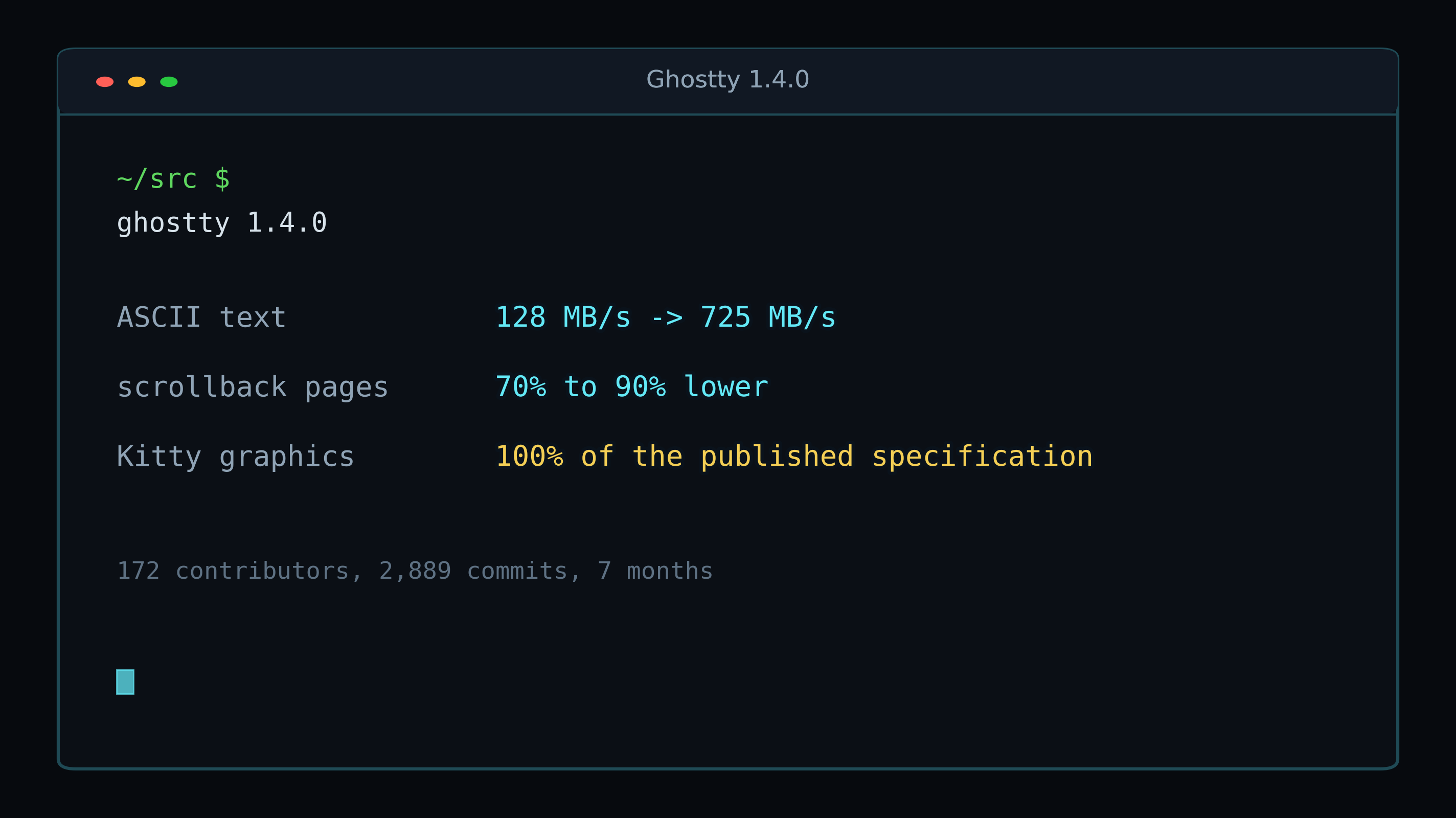
Ghostty 1.4.0: a 1 KiB pty cap, 725 MB/s parsing, and the full Kitty graphics spec
Ghostty 1.4.0 shipped on 27 October 2026 after seven months of work, 172 contributors and 2,889 commits. The release compresses idle scrollback pages so they use 70% to 90% less physical memory and raises the default scrollback limit from 10 MB to 50 MB, separates pty reading from parsing to gain 25% to 55% end-to-end I/O throughput on macOS, takes VT parsing from 128 MB/s to 725 MB/s on ASCII, and completes the Kitty graphics protocol with animation and relative placements, the first terminal outside Kitty to cover the published specification. It also fixes ten security advisories, none of which has a CVE number yet.
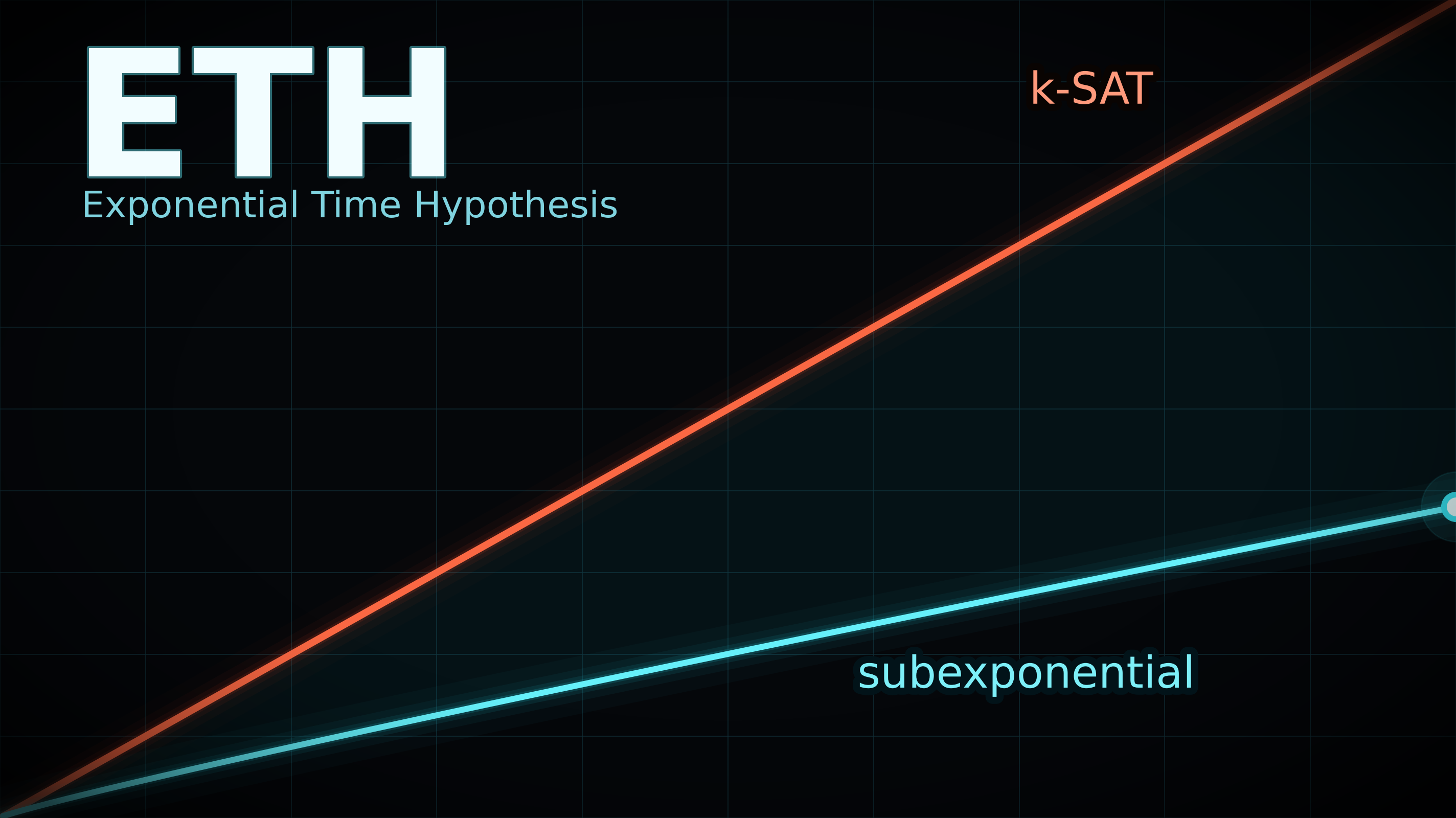
A subexponential k-SAT counter ends ETH and the lower bounds built on it
OpenAI published a preprint giving a deterministic algorithm that exactly counts the satisfying assignments of a k-CNF in (n+m)^{O_k(1)} 2^{O_k(n log log n / log n)} time and polynomial space, which refutes the Exponential Time Hypothesis, SETH, Gap-ETH, NSETH and #ETH. A Lean formalization in the repository proves a weaker exponent of n (log log n)^2 / sqrt(log n) for canonically encoded inputs, and a verification group led by Russell Impagliazzo, Ramamohan Paturi and Ryan Williams has not yet reported. The result voids the premise of thousands of conditional lower bounds in fine-grained and parameterized complexity while leaving P versus NP, CircuitSAT and practical SAT solving untouched, since 2^{n/log n} remains superpolynomial.
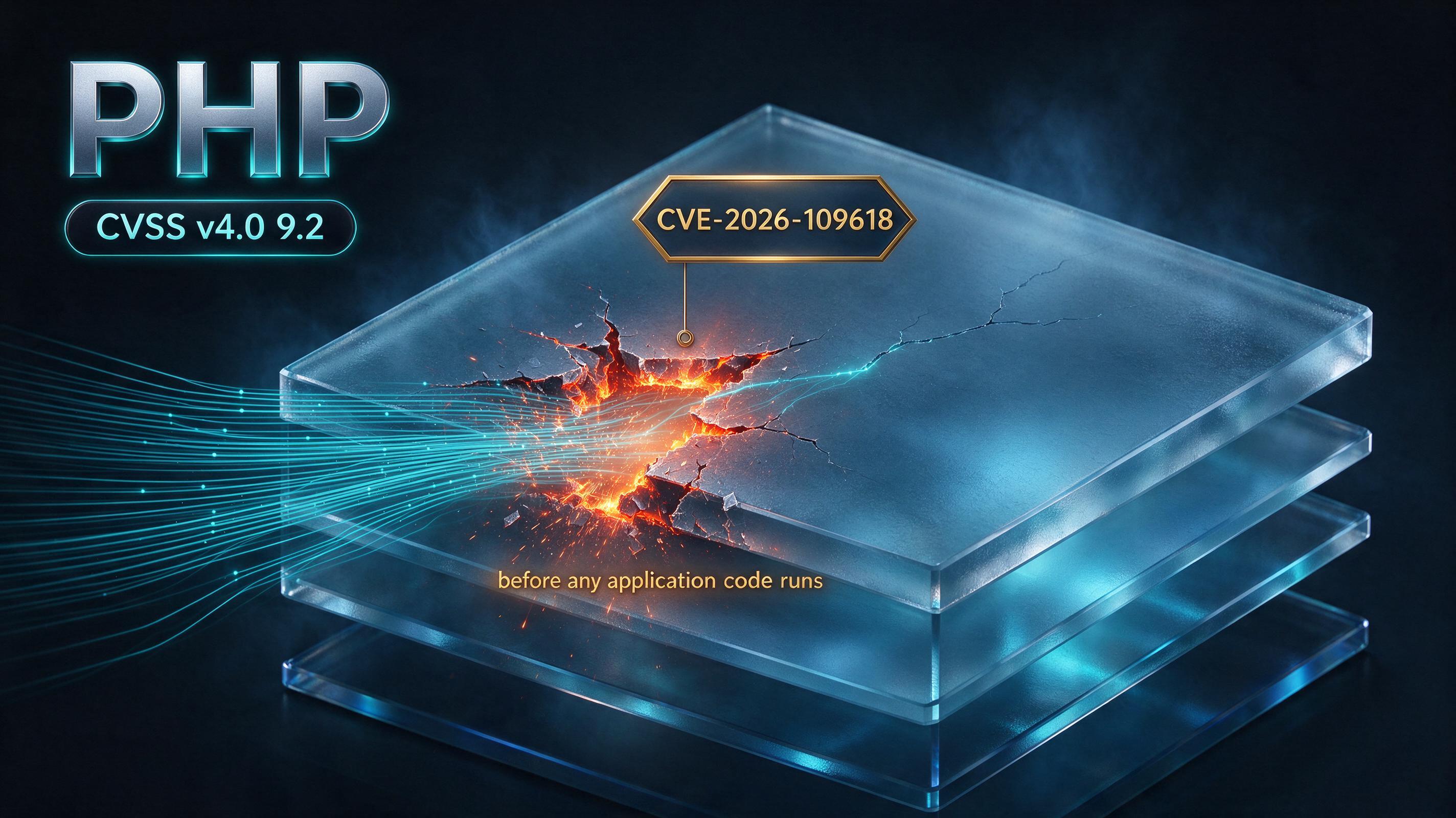
PHP patches two CVSS 9.2 RCEs that fire before application code
PHP 8.5.12, 8.4.27, 8.3.36 and 8.2.35 fix CVE-2026-109618 and CVE-2026-109619, two unauthenticated remote code execution flaws rated 9.2 on CVSS v4.0. The first corrupts request memory when an out-of-memory condition interrupts a partially initialized request, and the second lets request-owned state survive in a worker after its backing memory is freed. With Apache mod_php the confirmed exploit runs before any application code, which puts framework patches and parameter-level WAF rules downstream of the attack. PHP 8.1 and older receive no project updates, only minimal source backports for 7.4, 8.0 and 8.1, and the advisory states that no configuration mitigation is complete.
Tesla's new Roadster: 10 cold-gas thrusters, a 600-litre air tank, and 483 km of range
Tesla showed the second-generation Roadster outside Waco, Texas on 15 October 2026, nine years after the prototype that was meant to ship in 2020. The car is sold in three versions: Performance with active aerodynamics and a multi-mode suction system, Thrust with rear cold-gas thrusters and a claimed 0-60 mph under 1 second, and an invite-only single-seat Rocket with 10 thrusters around the perimeter. The underbody fan and ground sealing system produces downforce at zero speed, enough suction to hold the car upside down, while all three versions are quoted at roughly 300 miles of range and above 230 mph. Production is planned for 2028, no price was announced, deposits are refundable and not purchase orders, and the product page notes the car is not approved for public road use.
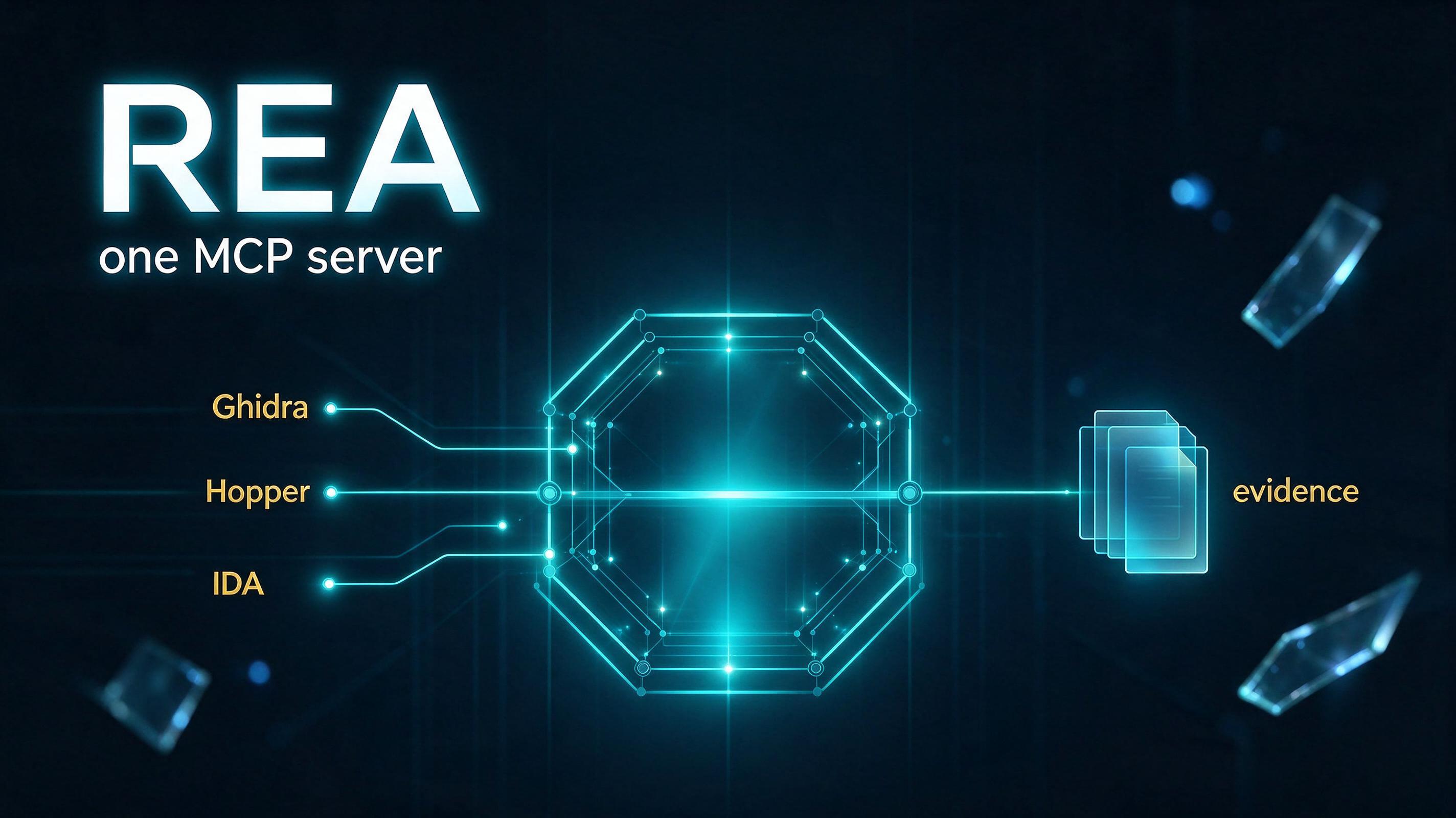
REA: one MCP server, 25 Ghidra operations, and 132,518 installs in a week
REA (morluto/rea) is an MIT-licensed MCP server and CLI that gives coding agents tools for inspecting binaries, Electron and JavaScript apps, .NET assemblies, Android APKs, websites, network captures and firmware, with findings returned as evidence records rather than prose. Its Ghidra adapter exposes 25 read-only operations, snapshots cache repeated analysis, and the project reached 164,002 stars and 132,518 npm downloads in the week ending 11 October 2026 while publishing no accuracy benchmarks for any target class.
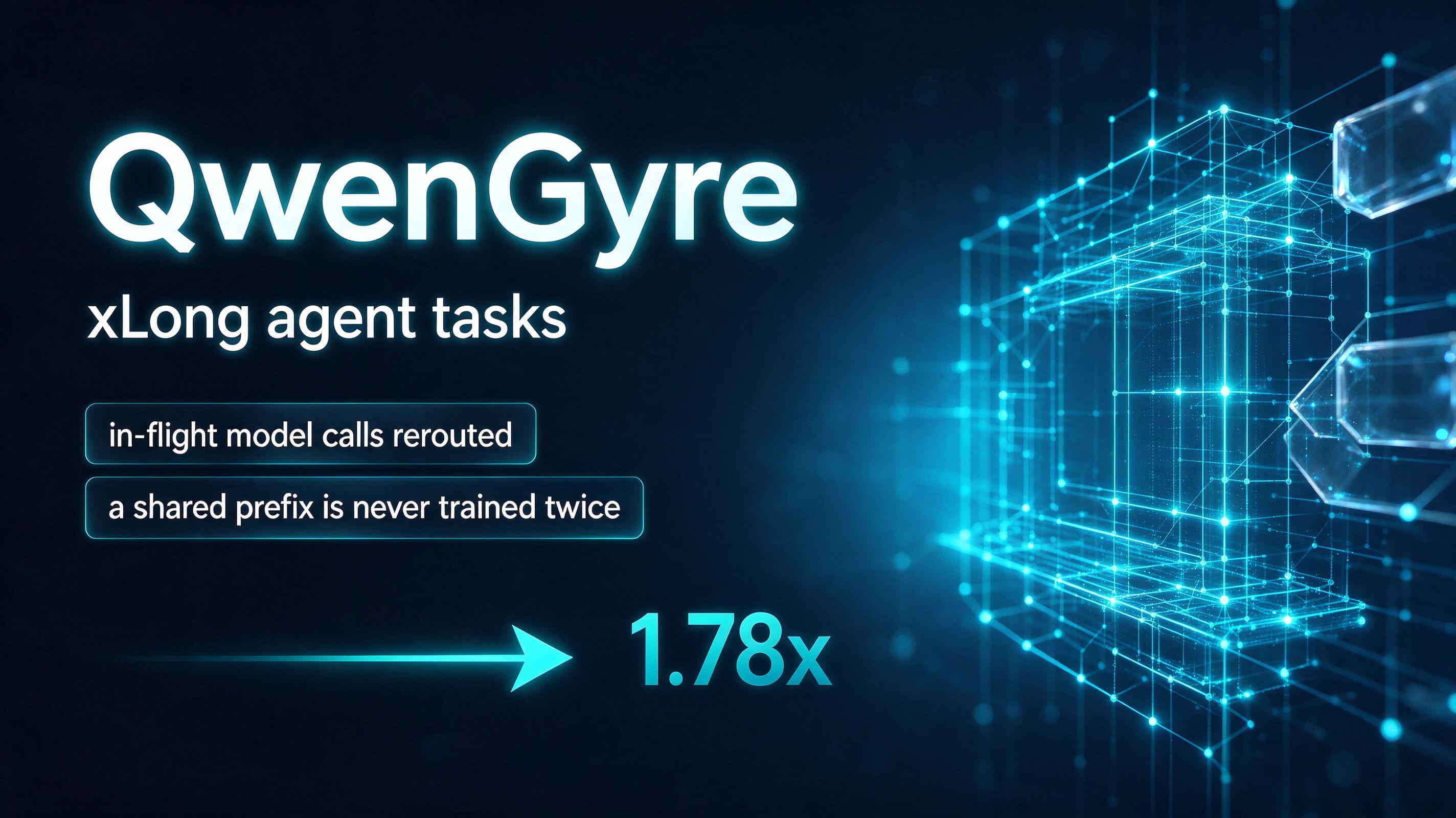
QwenGyre: 48 steps of 2.4T agent RL in 75.42 hours, against 134.55 on an async baseline
QwenGyre is an online RL framework for agent executions that run for hours and consume about a million tokens per rollout. It reallocates GPUs between rollout and training while live executions keep running, reconstructs branching execution histories as prefix-shared trajectory trees, and scores partially completed work instead of discarding it. The Qwen team reports 48 training steps on Qwen 3.8 2.4T in 75.42 hours against 134.55 for Async and 91.47 for Colocate, with the evaluation pass rate moving from 52.48% to 58.54%.
GPT-6 Astra: 62.7% verified, 99.9% advertised, $10 per million tokens
OpenAI reported 99.9% for GPT-6 Astra on ARC-AGI-3; ARC Prize's own runs of the same model scored 62.7% under its provider-neutral harness and 99.9% under OpenAI's context-management adapter, for $26,098 and $18,817 per run. Artificial Analysis measures the model level with Claude Fable 5.1 on its Intelligence Index at about 40% of the cost, and two code-review benchmarks disagree about whether it catches more bugs than the cheaper GPT-5.6 Sol.
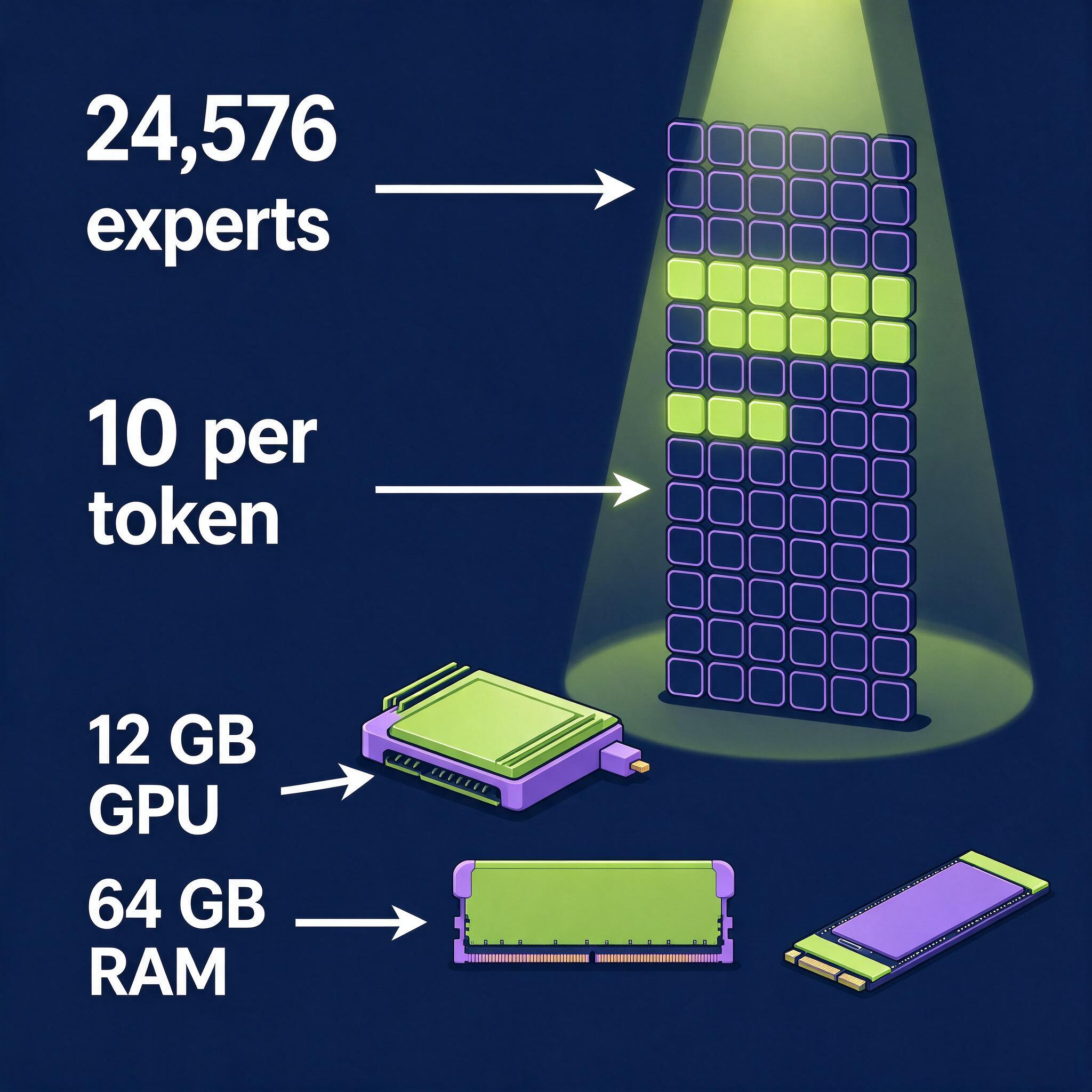
Strata serves a 125B MoE at 94 tokens/s from a 12 GB card and 64 GB of RAM
Strata runs Qwen3.8-Flash-Next by keeping all 24,576 experts in system RAM and computing the misses on the CPU while a 12 GB card works from a small adaptive expert cache. The project's measured tables show 93 to 94 tokens/s at a 4K context, 74 tokens/s with 128K tokens in the window, and 64 GB of RAM as the real requirement.
React vs Vue for LLM-generated frontend code: an 11x ecosystem gap and benchmark parity
Frontend developers consistently report that models write better React than Vue, and the npm numbers back part of that: 222.8M weekly downloads for react against 20.2M for vue, with the AI SDK's React binding at 5.4x its Vue binding. The published benchmarks tell a narrower story. On DesignBench's 900 real webpages, Vue leads React on generation quality and compile rate while React leads marginally on edit compile rate, both trail vanilla HTML/CSS, and Angular carries by far the largest penalty. This piece separates the ecosystem asymmetry from the measured quality gap, shows which failures each framework actually produces, and lists the toolchain checks that catch them.
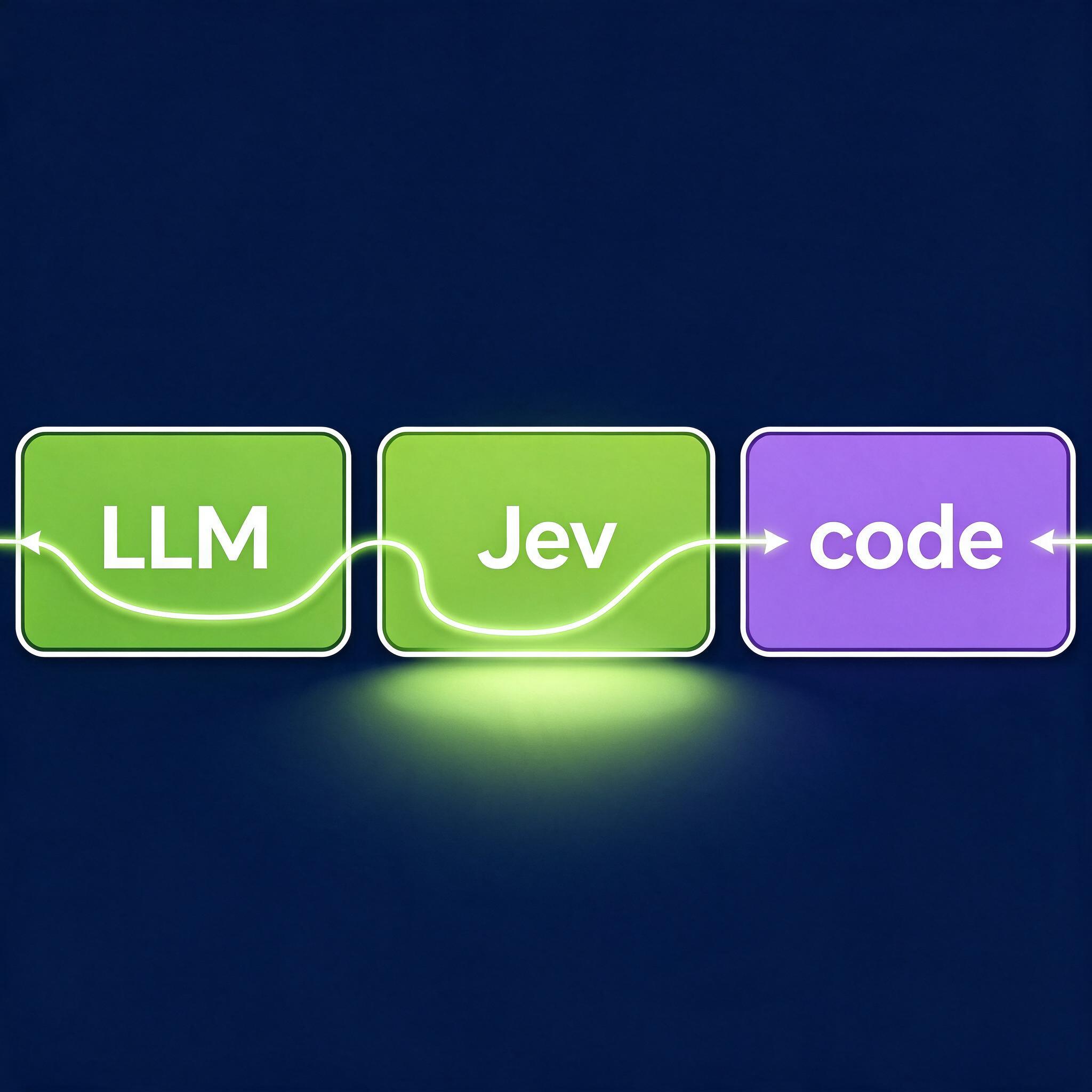
Jev Engineering: what a decision layer changes about the agent loop, and what it doesn't
Jev Engineering is usually compressed into one line — an LLM writes, Jev decides, code acts — but the term covers two different things: a routing pattern that is cheap to adopt, and a falsifiable architectural argument from TypeSafe's founder about how per-turn context, routing, tools and permissions should be decided. This piece walks the substrate (state plus typed questions, Choice/Score/Noul, parallel sampling, $0.042 per million input tokens), the routing arithmetic that shows naive model routing can cost more than staying on the expensive model, the fan-out pattern that actually holds up, the jagged edges in jev-1.13, and the gap between the self-run headline numbers and what third parties report.
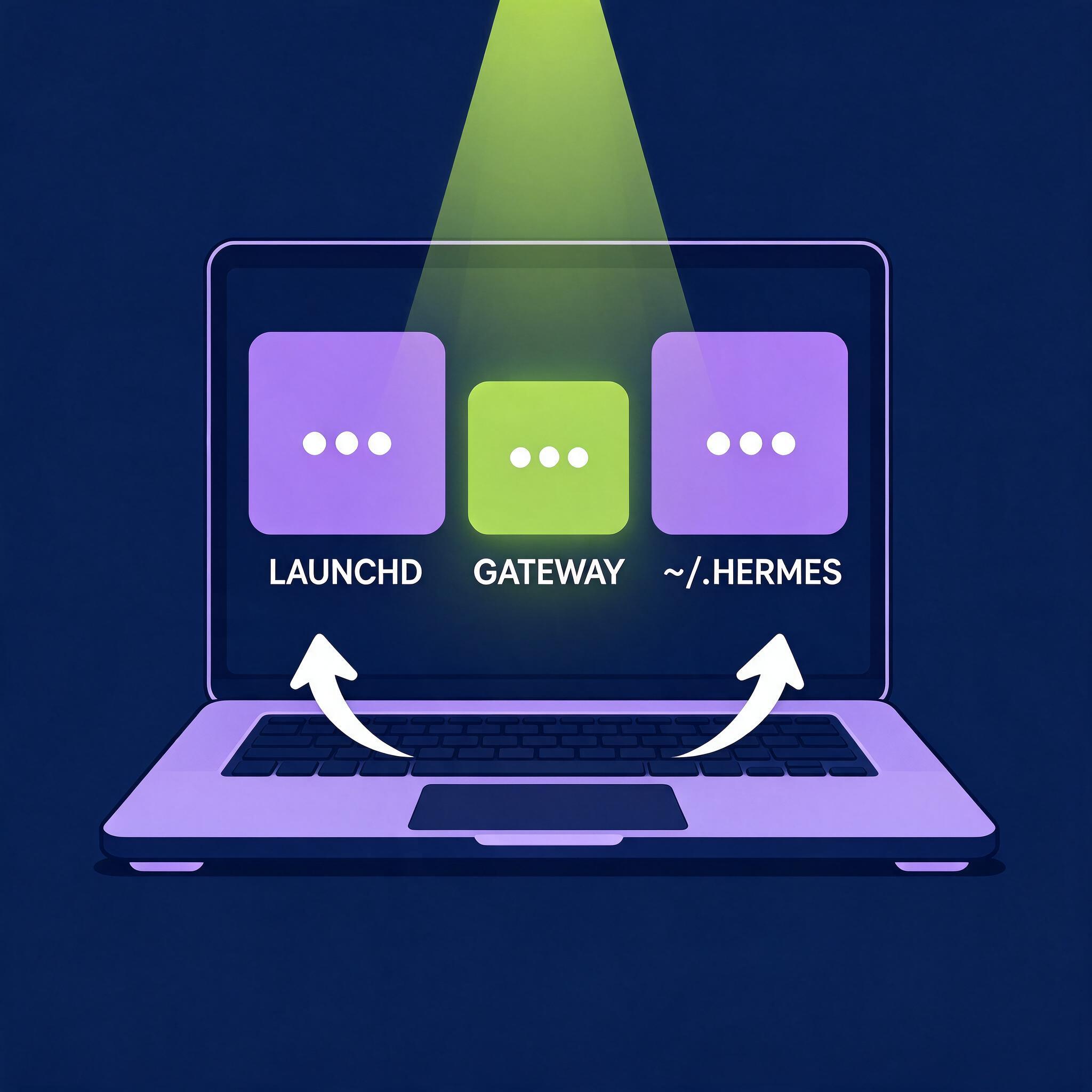
Hermes Agent on macOS: install layout, launchd supervision, and the TCC identity that breaks on rebuild
Installing Hermes Agent on a Mac is one command; keeping it deployed is three separate macOS problems — a directory layout, a LaunchAgent, and a code-signing identity. This piece walks through what install.sh and hermes gateway install actually put on disk, why the generated plist parks clean exits while relaunching crashes, how TCC grants bind to an app identity rather than a path (and why stale grants look stuck), plus the Apple-Silicon-versus-Intel splits, local-model numbers for llama.cpp and MLX, and the defaults that decide whether an unattended Mac fails fast or hangs.
DeepSeek's on-disk KV cache: exact prefix matching, 890 bytes per token, and a 50x input price gap
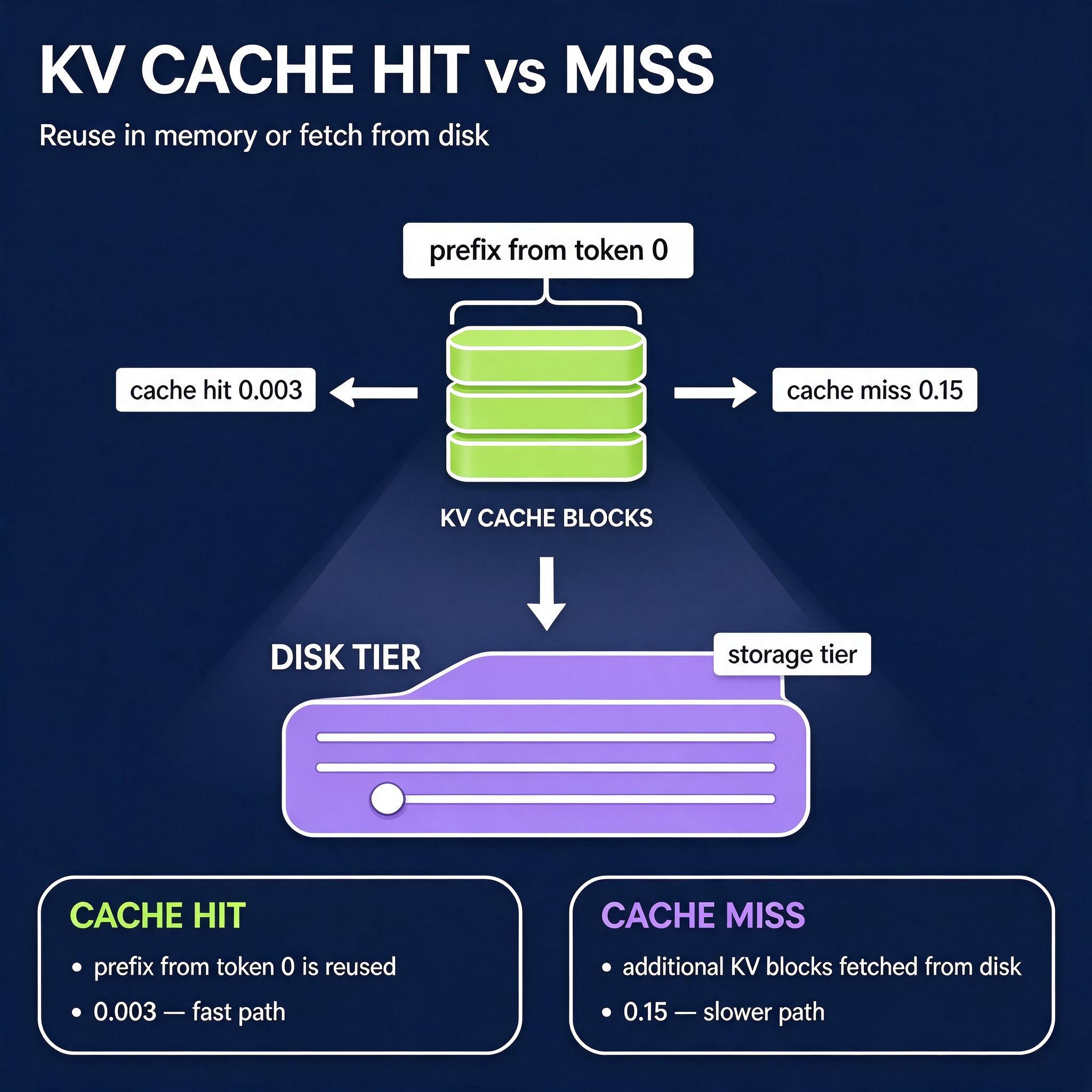
DeepSeek bills a cache hit on the input prefix at $0.003 per million tokens against $0.15 for a miss, and pays for that gap by keeping prefill state on disk. This piece covers what is stored, the cache-prefix units and append-only matching rule, the KV compression that made a disk tier practical (890 bytes per token on V4.1-Flash), the price ratios, and what third-party harness measurements say about real hit rates.